A lot has been written about what to do on the morning of a QHHT session. Less has been written about the evening before. In my experience that evening shapes the next day more than most clients realise. The nervous system does not switch from everyday life into trance-ready stillness in an hour. It eases into that readiness over the preceding twelve to fifteen hours, and the evening is where most of that settling happens.
- Eat a simple, early dinner rather than a late or heavy one, so the body is not digesting during trance
- Avoid alcohol entirely the night before, and ideally for two nights prior
- Limit screens and high-stimulation content from the late evening onward
- Write your question list before rather than after dinner, while the mind is still fresh
- Allow a real wind-down hour without tasks, calls, or planning, so the body can recognise that something restful is coming
What the nervous system is doing the night before
Something I often see is that clients arrive on the morning of a session tired in a way they did not expect. They have slept, but not well, because their nervous system has been on a low alert throughout the previous evening. The body had registered that something different was coming, and in the absence of enough down-shift signals, it stayed on quiet watch instead of resting.
The evening before a session is the single largest window for telling the body that it is safe. This does not require any technique. It requires the absence of certain habits that would otherwise keep the system engaged. Removing those inputs, more than adding new ones, is what allows the shift to happen on its own.
Dinner, and why timing matters
A QHHT session in Laren usually begins in the late morning, which means the body will have been fasting for roughly twelve to sixteen hours depending on breakfast plans. This works best if dinner the previous evening is finished by seven or so, and is simple. Vegetables, grains, a moderate portion of protein, nothing fried, nothing sugary, nothing alcoholic. Clients who eat heavily or late tend to wake during the night and arrive the next day with a body still partly in digestion mode.
No alcohol is the firm rule I ask clients to keep. Even a single glass of wine interferes with the deepest phases of sleep in ways that matter for the trance state, and the lingering effect on theta rhythm is greater than most people realise. I have written about theta elsewhere, and why it needs an unhurried brain chemistry to land cleanly.
Screens and the evening mind
I ask clients to put phones and laptops away at least an hour before bed, and ideally earlier. This is not only about sleep hygiene. It is about the quality of mental content the mind carries into the next day. An evening spent reading news or scrolling through social platforms leaves residue. The content comes with you into trance in ways you do not plan.
Something I have noticed is that clients who spend the evening before a session in simple, physical activities, like cooking, walking, light cleaning, or reading a paper book, arrive the next day with a quieter mind. There is no mystery to this. What the mind has been doing for the previous twelve hours is the material it has most freshly available to quieten. Giving it something gentle to do is giving the next morning’s session a cleaner starting surface.
When to write your question list
I mentioned this briefly in the general checklist post, but it is worth repeating here. Write your question list the evening before, not the morning of, and ideally before dinner rather than after. In my experience the clearest lists come from clients who sat down at about five or six in the afternoon and gave themselves thirty minutes with a pen and a blank page.
Writing before dinner matters because the mind is still in its working rhythm. Writing after dinner, especially if a wind-down evening has begun, tends to produce questions that are either too abstract or too urgent. The in-between time has a useful clarity, and the list you produce then will sit with you overnight in a way that later lists do not.
A wind-down hour that is actually empty
One of the hardest things for adults to give themselves is an hour with no task. No podcast, no book, no conversation, no planning. Just sitting, or walking slowly, or lying down without intention. That hour, the night before a session, is often the single most useful thing a client can do. It gives the body its clearest signal that rest is coming.
In my experience, clients who take this seriously settle into theta far more easily the next day. They do not have to work their way down from a busy mind, because their mind has been quietly stepping down already for several hours. Something I often see is that the session itself feels shorter to these clients, even though the clock time is the same. Their readiness shapes the texture of what unfolds.
What not to do
A few common patterns interfere more than clients expect. Late dinners with friends, however pleasant, leave the body in social nervous-system mode. Intense conversations about personal material, especially late at night, stir up emotional content that can then bleed into the session without being named. Heavy exercise after dinner can elevate cortisol into the morning. And any reading about QHHT, past life content, or hypnosis the night before tends to prime the mind with expectations rather than leaving it open.
None of these are rules for a healthy life in general. They are simply about the particular twelve hours before a session. Once the session is complete, ordinary life can resume in whatever shape suits the person. I have written about the afternoon and evening that follow the session itself, which has its own rhythm.
A simple evening in Het Gooi
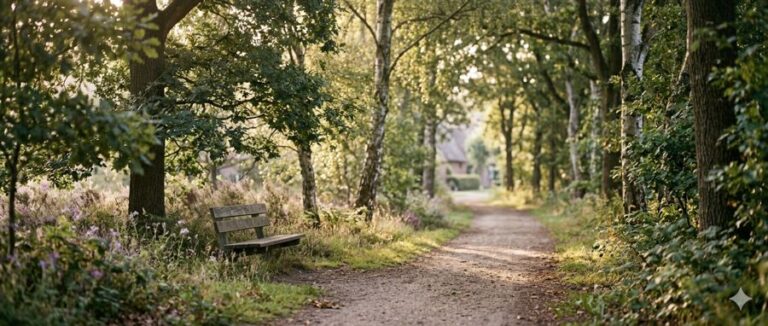
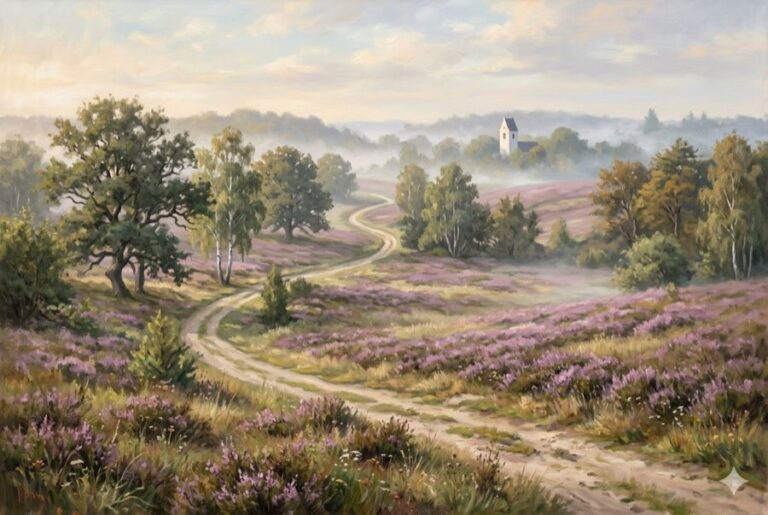
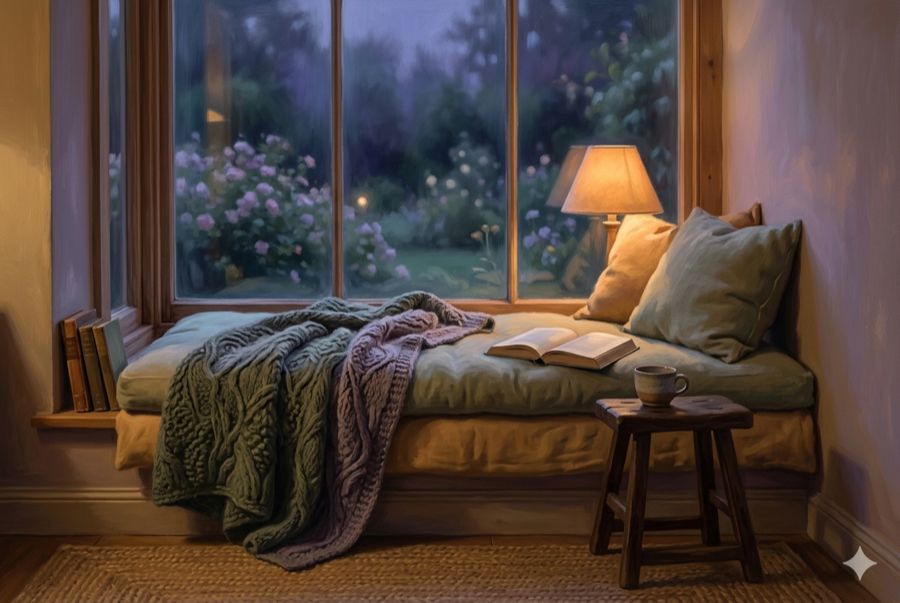
Clients who are staying in Laren or nearby the night before sometimes ask for suggestions. A walk on the heathland in early evening, an early dinner at a quiet place in the village, an hour with a book by a window, a bath, an earlier bedtime than usual. Nothing elaborate. The landscape around Laren is particularly well-suited to this kind of unscheduled evening, and many clients later say that the evening was part of the session in a way they did not anticipate. That is exactly right. The session begins long before we sit down together.